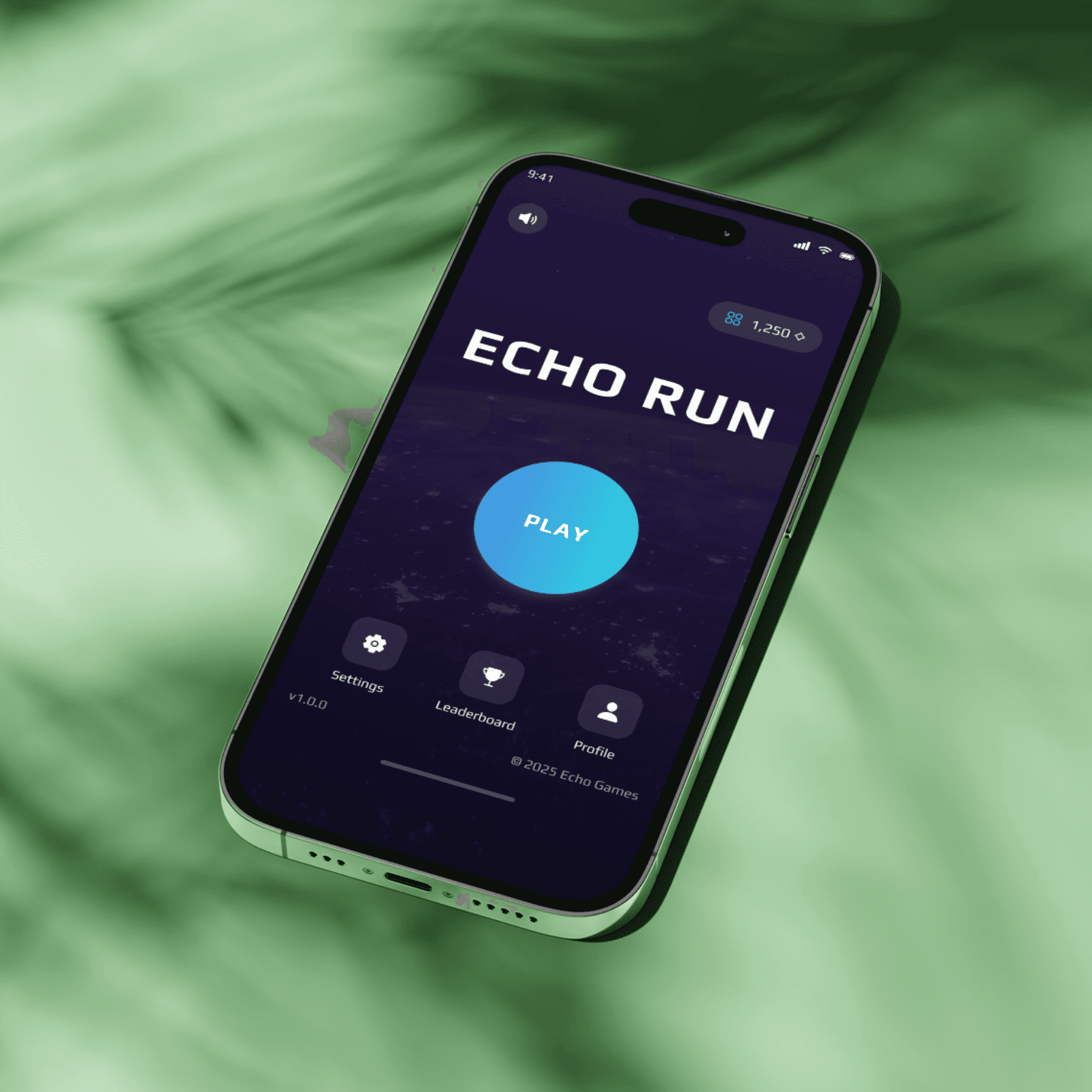
Creating a Mobile Game Design involves not just visual appeal, but also thoughtful gameplay mechanics, smooth user interface (UI), and engaging user experience (UX). Below is an approach for a Mobile Game Design that focuses on offering an exciting, immersive experience for players, while ensuring the game remains user-friendly, fun, and visually appealing.
My Approach for Mobile Game Design
The Mobile Game is meticulously crafted to provide an immersive experience that blends exciting gameplay, intuitive controls, and stunning visuals. Every element—from user interface design to game mechanics—is carefully selected to maximize player engagement. The goal is to create an experience where players feel connected to the game world while being challenged at every turn.
Vision and Innovation for Mobile Game Design
The vision behind this game design is to push the boundaries of mobile gaming, offering a gameplay experience that is both innovative and easy to play. Combining dynamic levels, unique power-ups, and interactive environments, the game will ensure that players are consistently entertained while being able to immerse themselves fully in the experience. The game will not only focus on visuals but also on offering competitive multiplayer elements or co-op features for increased engagement.
Identifying Unique Challenges in Mobile Game Design
Engaging Gameplay: Mobile games often struggle to provide complex, engaging gameplay due to hardware limitations. The challenge is to balance simple controls with rich, deep gameplay that keeps players coming back.
Responsive UI: The small screen size of mobile devices makes it difficult to design an interface that is both user-friendly and aesthetically pleasing.
Optimization: Mobile games need to run smoothly across a wide range of devices. Ensuring that the game performs well without draining device battery life is crucial.
Monetization: Designing an effective monetization strategy (e.g., in-app purchases, ads, subscriptions) without compromising the gaming experience is a challenge that every mobile game faces.
Resolving Complex Problems for Mobile Game Design
Immersive Gameplay: We address the challenge of offering complex gameplay on mobile by implementing simple mechanics with layered depth. For example, players may start with basic controls and progressively unlock advanced features, allowing both beginners and advanced players to enjoy the game.
Intuitive Controls: By utilizing touchscreen gestures (e.g., swipe, tap, and pinch), the game ensures that controls are easy to learn but hard to master. Controls are designed to be responsive, allowing players to perform actions effortlessly.
Visually Engaging UI: The game’s interface is designed to be minimalistic yet stylish, with large buttons, clear icons, and easy-to-navigate menus. It will have a clean layout that allows players to focus on the action.
Performance Optimization: The game will be optimized for smooth performance across various device models by using lightweight graphics and reducing background processes that could affect battery and performance.
Monetization Without Disruption: The game offers reward-based ads or in-app purchases that don’t interrupt gameplay. Players may choose to watch ads in exchange for rewards like extra lives, in-game currency, or special skins.
User-Centric Design for Mobile Game
Onboarding Experience: The game’s tutorial and onboarding are simple but engaging, introducing players to the game’s mechanics without overwhelming them. Interactive tutorials guide users through the controls, helping them get comfortable.
In-Game Feedback: Providing real-time feedback—such as visual cues or vibrations—when players complete tasks, achieve goals, or make mistakes ensures that players are always aware of their progress.
Personalization: Players can customize their characters, avatars, or vehicles with skins, outfits, and weapons, enhancing the sense of ownership in the game.
Sound and Music: The game integrates immersive sound effects and a dynamic soundtrack that adapts to different levels or in-game actions. Sound effects can trigger when a player wins, fails, or interacts with certain objects in the game world.
Challenge Levels: The game introduces progressively harder challenges, making it fun for both casual players and competitive gamers. Players can unlock levels, boss fights, or secret areas that require strategy to complete.
Meeting User Needs for Mobile Game Design
Level Progression: Users want to feel like they’re progressing, so the game will feature unlockable levels, characters, and abilities. There will be milestone rewards for every achievement.
Multiplayer Features: The game will offer competitive or co-op multiplayer modes, allowing players to compete against or team up with others. This can include leaderboards, friend lists, and challenges.
Game Store: Players will have access to an in-game store to purchase cosmetic upgrades, power-ups, or season passes. These items will not affect game balance but provide additional fun and customization.
Regular Updates: The game will feature new content (e.g., characters, levels, challenges) added regularly, keeping the experience fresh and motivating players to keep returning.
Detailed Pages and Features for Mobile Game Design
Home Screen:
Quick access to game modes (e.g., Single Player, Multiplayer, Leaderboards).
A dynamic feed showcasing daily challenges, recent achievements, and in-game events.
Character Customization Screen:
Character selection with outfit and accessory options.
Customization options for weapons, gear, and other skins.
Level Selection Screen:
Players can choose from a map or level list showing progression.
Lock/Unlock levels based on achievement or progress.
Game Store:
Offers in-game purchases for skins, power-ups, or premium content.
Players can spend in-game currency or real money.
Leaderboard:
Show the top players and compare scores, levels, or achievements.
Players can see their rank compared to friends or the global leaderboard.
Accessibility and Optimization
A11y Features: The game will be optimized for players with disabilities by supporting screen readers, providing high-contrast visuals, and offering customizable controls.
Performance Optimized: The game will perform well across mid-tier and high-end devices. It will focus on low battery consumption, smooth frame rates, and minimal load times.
Conclusion for Mobile Game Design
This Mobile Game Design offers a perfect balance of user engagement, intuitive controls, and beautiful visuals while maintaining performance across devices. By providing immersive gameplay, personalization options, and multiplayer features, the app will ensure that players stay hooked and invested in the game. Whether the game focuses on action, strategy, or adventure, it will combine all these elements to create a fun, challenging, and rewarding experience.